
In 2026, a commercial space is no longer just a physical location — it is a live communication channel. Whether it’s a corporate headquarters or a flagship retail store, indoor branding directly influences customer psychology. Within seconds of entering, visitors subconsciously decide whether your brand feels premium, trustworthy, or outdated.
This guide explains how to master your interior environment and turn your space into a powerful branding asset.
1. What is Indoor Branding? (More Than Just a Logo)
Many businesses confuse signage with branding.
- Signage is functional: “Where is the meeting room?”
- Branding is emotional: “Does this company feel premium and trustworthy?”
At Star Digital, we specialize in the intersection of both. We don’t just print boards — we design environments. Whether it’s a corporate lobby in Mumbai or a retail flagship in a high-traffic mall, your indoor branding acts as a physical handshake with every visitor.
2. Types of Indoor Signage Systems
To build a world-class commercial space, you need a strategic mix of these three systems:
Informational & Wayfinding Signage
Without clear direction, visitors feel confused and anxious. Professional wayfinding improves both experience and efficiency.
- Directories & Room Signs: Sleek acrylic or brushed aluminum signage.
- Navigation Graphics: Floor decals and wall-mounted directional graphics.
- Safety Signage: Fire exits and compliance signage aligned with current safety standards.
Promotional Signage
These elements are designed to drive engagement and conversion inside your space.
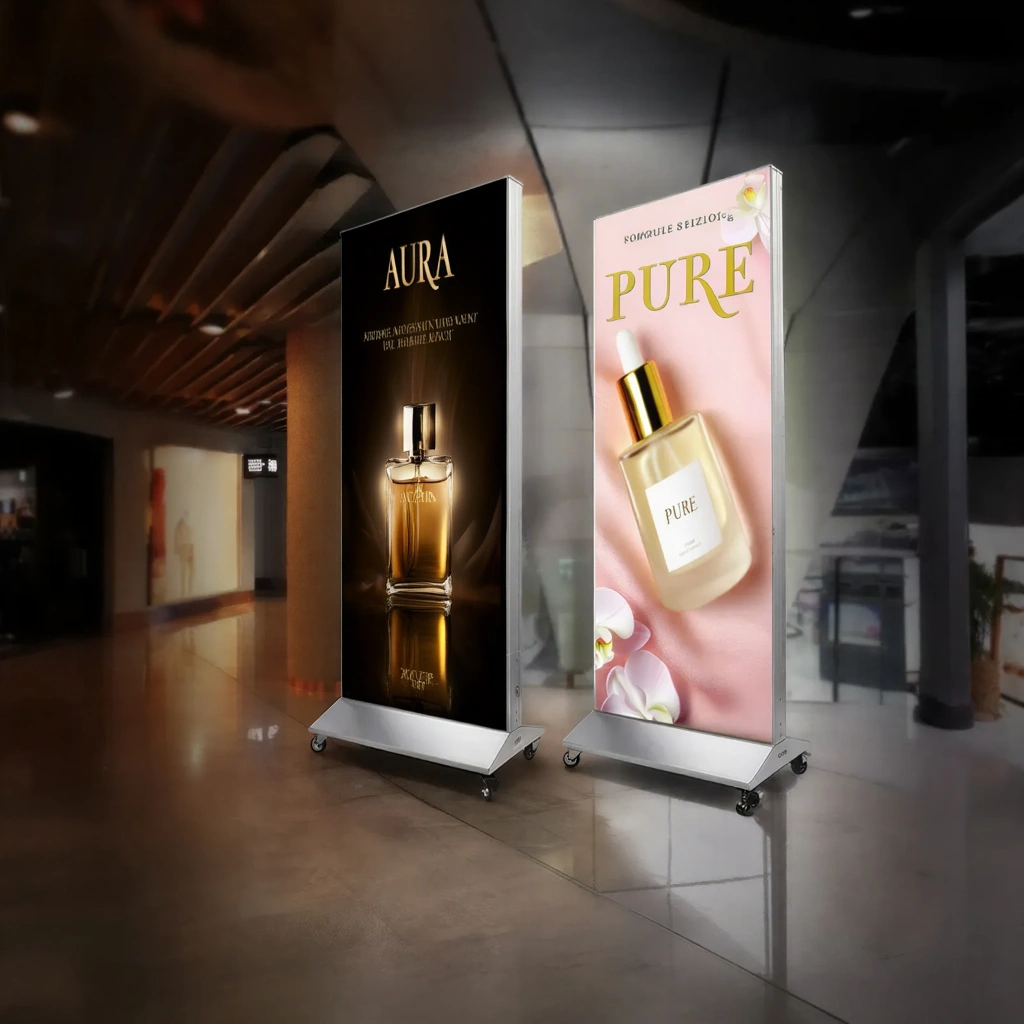
- Backlit Fabric Lightboxes (60mm & 80mm): Premium aluminum SEG frames that demand attention.
- Clip-On & Snap Frames: Ideal for menus, offers, and seasonal campaigns.
- Lollipop Boards & POS Stands: High-impact displays for product launches and promotions.
Experiential Branding
This is where your brand story comes to life and creates a lasting impression.
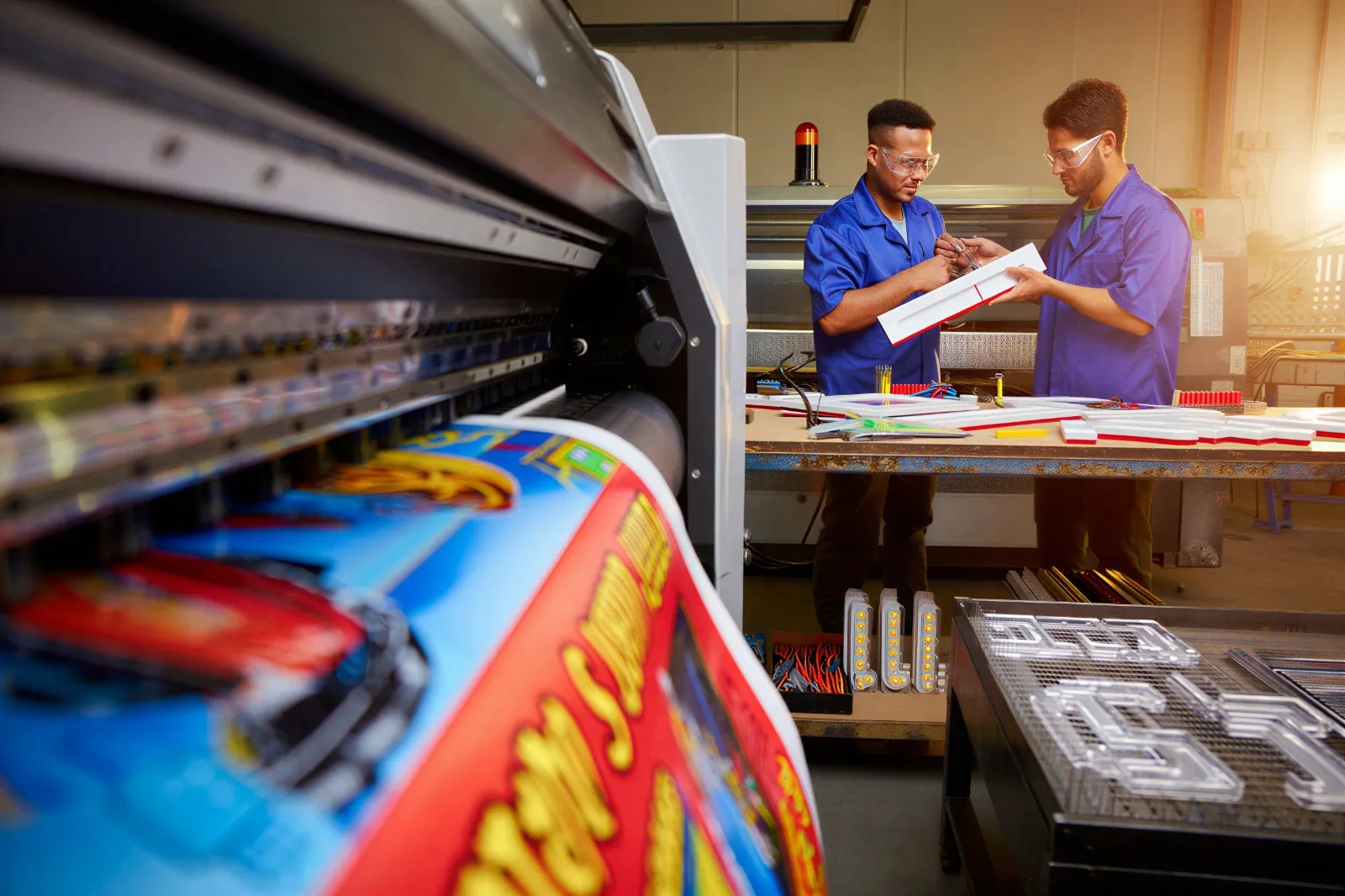
- Wall Graphics: Custom-printed vinyl or fabric wallpaper using high-definition eco-solvent printing.
- 3D Acrylic Letters: Add depth and a premium feel to reception areas.
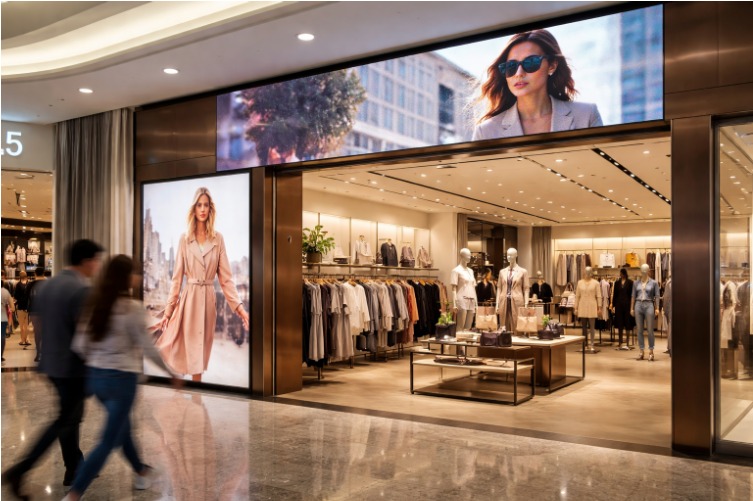
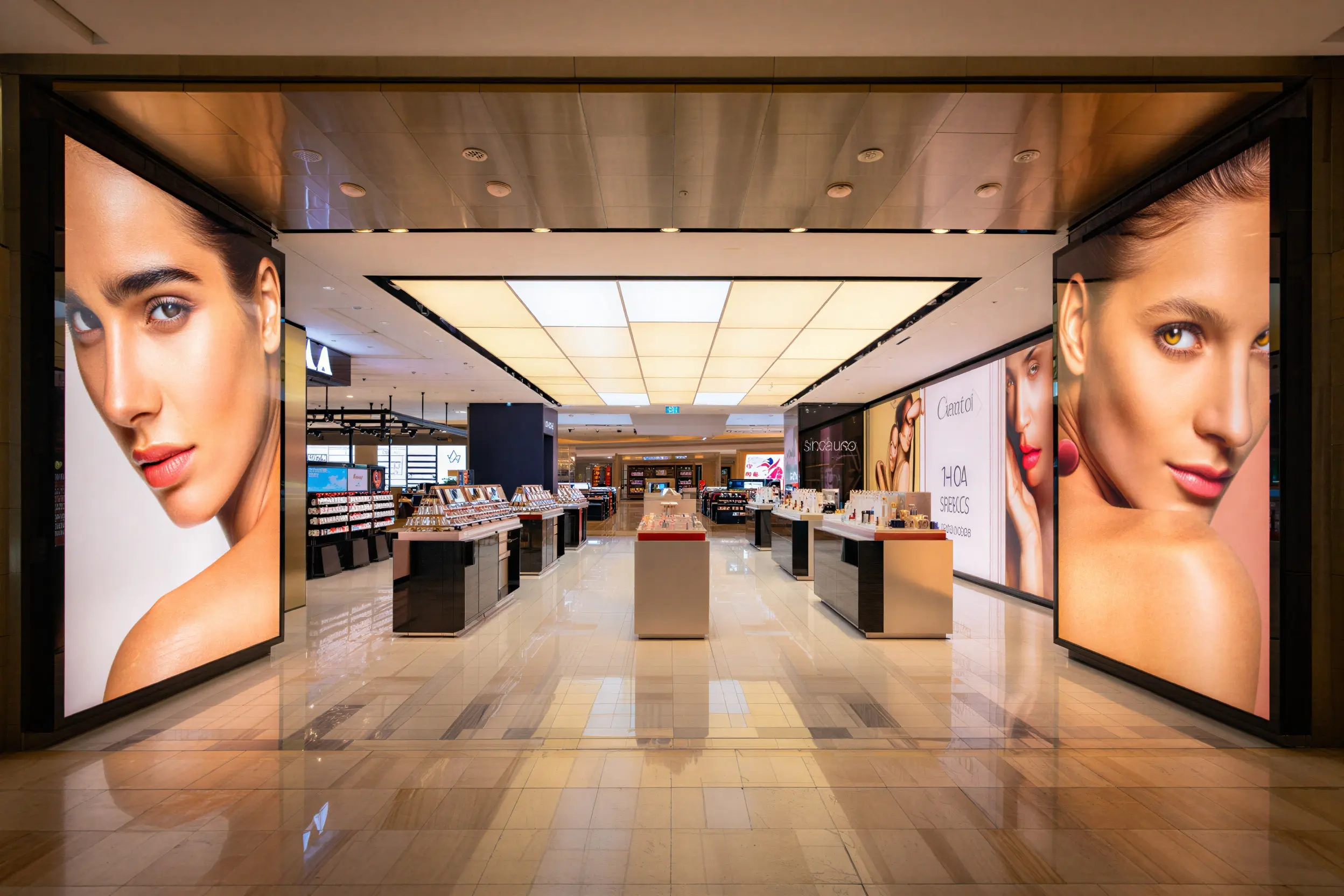
- Fabric Storytelling Walls: Large-scale, glare-free fabric displays that transform blank walls into statement pieces.
3. Choosing the Right Materials
Selecting the right materials ensures durability, aesthetics, and long-term value.
- Fabric vs. Vinyl: Backlit fabric (SEG) offers a modern, glare-free premium finish, while vinyl works well for high-traffic, easy-clean surfaces.
- Aluminum vs. Foamboard: Aluminum profiles offer long-term durability; foamboard is ideal for short-term campaigns or events.
- Illumination: Integrated LED modules ensure your branding remains impactful 24/7.
4. Common Indoor Branding Mistakes to Avoid
- Information Overload: Messaging should be clear and readable at a glance.
- Inconsistent Colors: Professional color calibration ensures your physical branding matches your digital identity.
- Poor Lighting: Backlit solutions eliminate shadows and uneven brightness.
Conclusion
Professional indoor branding is an investment in your company’s physical presence. When executed strategically, it enhances navigation, strengthens brand perception, and increases customer engagement simultaneously.
At Star Digital, we help businesses transform interiors into powerful brand experiences. If you’re ready to upgrade your commercial space, let’s create an environment that leaves a lasting impression.