


The Role of Technology in Modern End-to-End Print Services
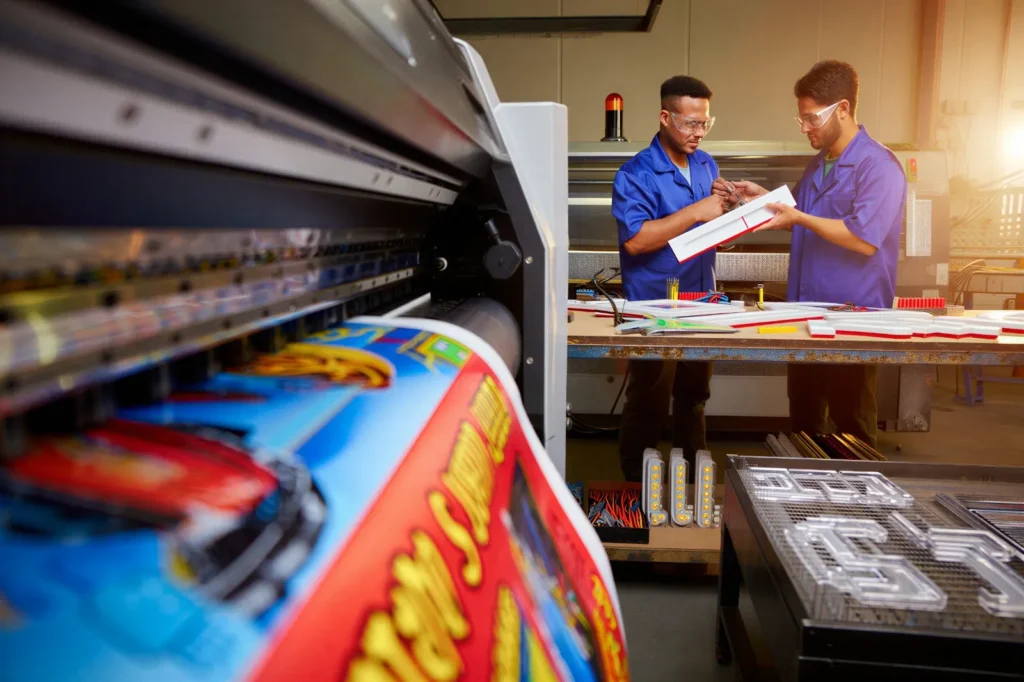
Introduction: Redefining Printing Through Innovation Printing has evolved far beyond its traditional roots. What was once a manual and time-consuming process has now transformed into a highly advanced, technology-driven ecosystem. Today, businesses no longer look at printing as just a support function—they see it as a critical component of branding, communication, and customer experience. This shift has been largely driven by technological advancements that enable faster production, higher quality, and greater flexibility. Modern end-to-end print services bring together design, production, and installation into a seamless workflow. Technology plays a central role in connecting these stages, ensuring that every element—from concept to final execution—is aligned with the brand’s vision. This integrated approach allows businesses to achieve consistency, precision, and efficiency across all their visual communication efforts. In competitive markets like Mumbai, where speed and quality are equally important, technology-driven printing solutions provide a clear advantage. They empower businesses to respond quickly to changing demands while maintaining a high standard of output. Where Technology Creates the Most Impact in Print Services The influence of technology can be seen across every stage of the printing process. From design conceptualization to final installation, each phase benefits from advanced tools and systems that improve accuracy and efficiency. In the design stage, software enables precise visualization and customization, allowing businesses to experiment with different layouts and formats before finalizing their concepts. During production, high-speed printers ensure consistent output with accurate color reproduction. Finishing technologies enhance the overall look and feel, while advanced installation tools ensure that the final result is both visually appealing and structurally reliable. Enhancing Efficiency and Consistency Through Technology One of the most significant contributions of technology to modern print services is improved efficiency. Automated workflows reduce manual intervention, minimizing errors and speeding up the entire process. This allows businesses to meet tight deadlines without compromising on quality. Consistency is another key benefit. Technology ensures that the same design elements—colors, fonts, and layouts—are reproduced accurately across different materials and formats. This uniformity is essential for building a strong brand identity, as it creates a sense of familiarity and trust among customers. Additionally, digital integration allows for better coordination between teams involved in design, production, and installation. This streamlined communication ensures that projects are executed smoothly, reducing delays and enhancing overall productivity. The Role of Advanced Printing Technologies in Branding Modern printing technologies have opened up new possibilities for businesses to express their brand identity. Techniques such as UV printing, solvent printing, eco-solvent printing, and high-resolution inkjet printing enable printing on a wide range of surfaces, including glass, acrylic, fabric, and more. This versatility allows businesses to create unique and innovative branding solutions tailored to their specific needs. Another important aspect is customization. Technology enables businesses to produce personalized materials for different campaigns, locations, or target audiences. This level of adaptability makes it easier to stay relevant in a constantly changing market environment. Durability is also enhanced through advanced printing methods. Materials are designed to withstand environmental conditions, ensuring long-lasting performance in both indoor and outdoor settings. This not only reduces maintenance costs but also ensures consistent brand visibility over time. Products and Services That Support End-to-End Print Solutions Delivering complete print solutions requires more than just advanced machinery—it involves a thoughtful combination of technologies and display formats that work together to create a cohesive visual experience. Modern printing techniques such as UV, solvent, eco-solvent, and high-resolution inkjet printing enable businesses to achieve sharp, durable outputs across a wide rangeof materials. These capabilities are often complemented by practical applications like sunboards and promotional standees, which are widely used for on-ground visibility and marketing communication. At the same time, contemporary display formats such as LED backlit fabric boxes, slim and clip-on frames, and illuminated signage add a refined and professional touch to branding by enhancing visibility and presentation. Supporting elements like A4 and A5 table tops, along with circular rotational promotional stands, further extend branding opportunities within retail and commercial spaces, especially at key customer interaction points. When combined effectively, these solutions ensure that businesses can maintain consistency, adaptability, and visual impact across every stage of their branding journey. Conclusion: Driving the Future of Printing with Technology Technology has become the backbone of modern end-to-end print services, transforming the way businesses approach branding and communication. By integrating design, production, and installation into a seamless process, it enables higher efficiency, better quality, and greater creative freedom. For businesses, this means more than just improved printing—it means the ability to create impactful and consistent brand experiences across multiple touchpoints. As markets become more competitive, the role of technology in printing will continue to grow, offering new opportunities for innovation and differentiation. Investing in technology-driven print solutions is not just about staying updated—it is about building a strong, future-ready brand. By leveraging advanced tools and techniques, businesses can ensure that their visual communication remains effective, engaging, and aligned with their long-term goals.
The Role of Technology in Modern End-to-End Print Services Read More »